
Why is saying “No” important to good mental health. Setting boundaries by saying “No” is a direct reflection of your self-worth – it signals that you value yourself and expect to be treated with dignity.
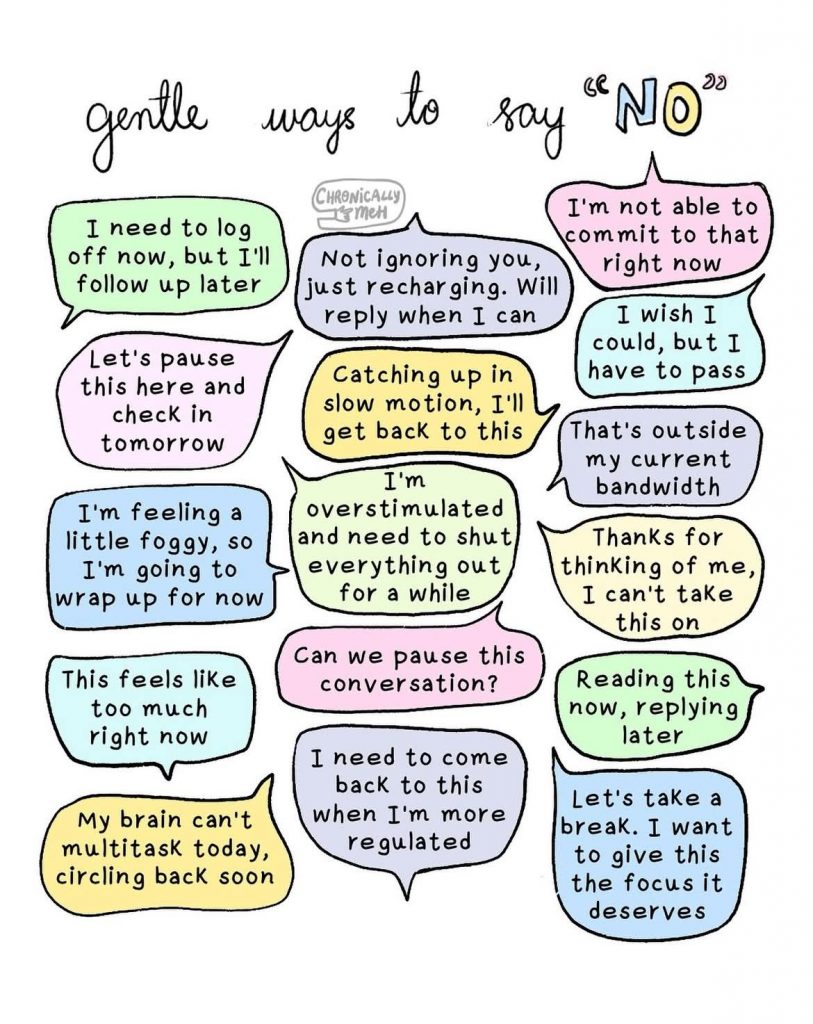
Saying “No” is fundamental to good mental health because it protects your time, energy, and emotional wellbeing while establishing healthy boundaries. It’s an act of self-care, not selfishness, that enables you to prioritize what truly matters to you.
Reduces Stress and Burnout
Saying “yes” to things you don’t genuinely want to do creates feelings of resentment, stress, and anxiety. Overcommitting leads to emotional exhaustion and burnout because you’re constantly depleting your resources without replenishing them.
By protecting your time and energy through saying “No,” you reduce feelings of overwhelm and maintain balance.
Strengthens Self-Respect and Identity
Setting boundaries by saying “No” is a direct reflection of your self-worth – it signals that you value yourself and expect to be treated with dignity. People-pleasing behavior can cause you to lose your sense of identity because you focus so heavily on appeasing others that you lose sight of what makes you happy and what’s important in your own life. Saying “no” helps you reclaim your identity and honor your own needs.
Prevents Mental Health Issues
Chronic people-pleasing and inability to say “no” are linked to heightened anxiety, depression, low self-esteem, and emotional exhaustion. Suppressing your emotions and ignoring your needs to please others creates a cycle of seeking external validation that is both draining and unsustainable. People-pleasing is also associated with trauma responses (fawning) and can reinforce unhealthy patterns.
Builds Healthier Relationships
Contrary to common fears, saying “no” actually encourages healthier, more balanced relationships. Clear boundaries promote understanding and mutual respect, creating a foundation for more authentic connections. When you communicate your limits honestly, you foster relationships where both parties’ needs are valued, rather than one-sided dynamics where you’re constantly overextended.
Establishes Work-Life Balance
Setting workplace boundaries – such as not checking emails outside business hours or saying “no” to unreasonable demands – prevents burnout and protects mental health.
Clear communication about your working hours and capacity helps manage expectations and allows you to succeed professionally without sacrificing personal wellbeing.
Learning to say “no” without guilt is a skill that requires practice, especially if you’ve developed people-pleasing tendencies.
However, it’s essential for maintaining mental health stability, building self-esteem and confidence, and living a balanced, fulfilling life.
