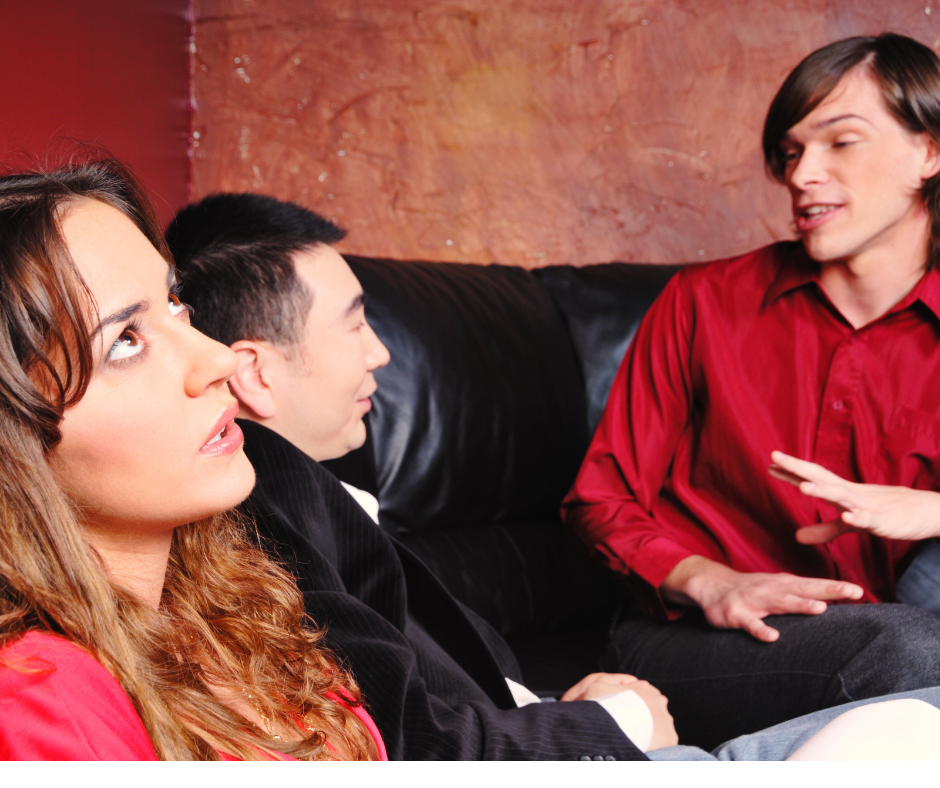
For therapist Con Healy Small-T Trauma is like a slow, dripping tap. It’s not a storm or a flood … it can be torture.

By Conal Healy
To me, Small-T Trauma is like a slow, dripping tap. It’s not a storm or a flood … it can be torture. It’s dripping away in the background. Not everyone hears it. Not everybody is aware of it. Small-T Trauma refers to ongoing or single distressing experiences that are not life‑threatening but still overwhelm coping, disrupt emotional functioning, and can accumulate to produce trauma symptoms similar to Big‑T events.
Think about cooking a great meal where nobody acknowledges the hard work. Ever.
Think about the people who demand time and attention, but who never return the favour. Ever.
Think about missing out on a social event – that everyone else is invited to. Feeling excluded.
Small-T Trauma is defined more by its impact on the person than by the objective severity of the event.
Small-T Trauma involves experiences that exceed a person’s capacity to cope, leading to emotional dysregulation, avoidance, or intrusive distress, even though the events are not catastrophic or life‑threatening in themselves.
Many counselors believe the label matters less than the effect on functioning and wellbeing; repeated Small-T experiences can equal or exceed the impact of a single major event for some people.
Common examples
Relationship injuries: Chronic invalidation, boundary violations, emotional neglect, or ongoing conflict that erodes safety and worth.
Social stressors: Bullying, harassment, exclusion, microaggressions, or persistent discrimination; these can be especially impactful when prolonged.
Losses and life disruptions: Breakups, death of a pet, job loss, financial strain, abrupt relocation, academic struggles, or chronic illness/pain
How it differs from Big‑T trauma
Big‑T typically involves exposure to life‑threatening events or severe violence (eg, serious accidents, assaults, disasters), often linked to classic PTSD criteria; Small-T Trauma centers on non‑life‑threatening but personally overwhelming stressors.
Despite this distinction, both can trigger similar trauma responses; cumulative Small T exposure can be as harmful – or more – than a single Big‑T incident for some individuals.
Why it’s often missed
Small T events may appear “ordinary” from the outside and receive less social validation, leading people to minimse their impact or feel undeserving of support, which can delay help‑seeking and compound effects over time.
The subjective nature means two people can experience the same event differently; what matters is the person’s internal response and functional impairment, not whether others view it as severe.
Repeated Small T Trauma can contribute to anxiety, depression, substance use, relationship difficulties, and somatic symptoms; early recognition and treatment are beneficial.
Does Small T-Trauma sound familiar?
Need to talk about it?
