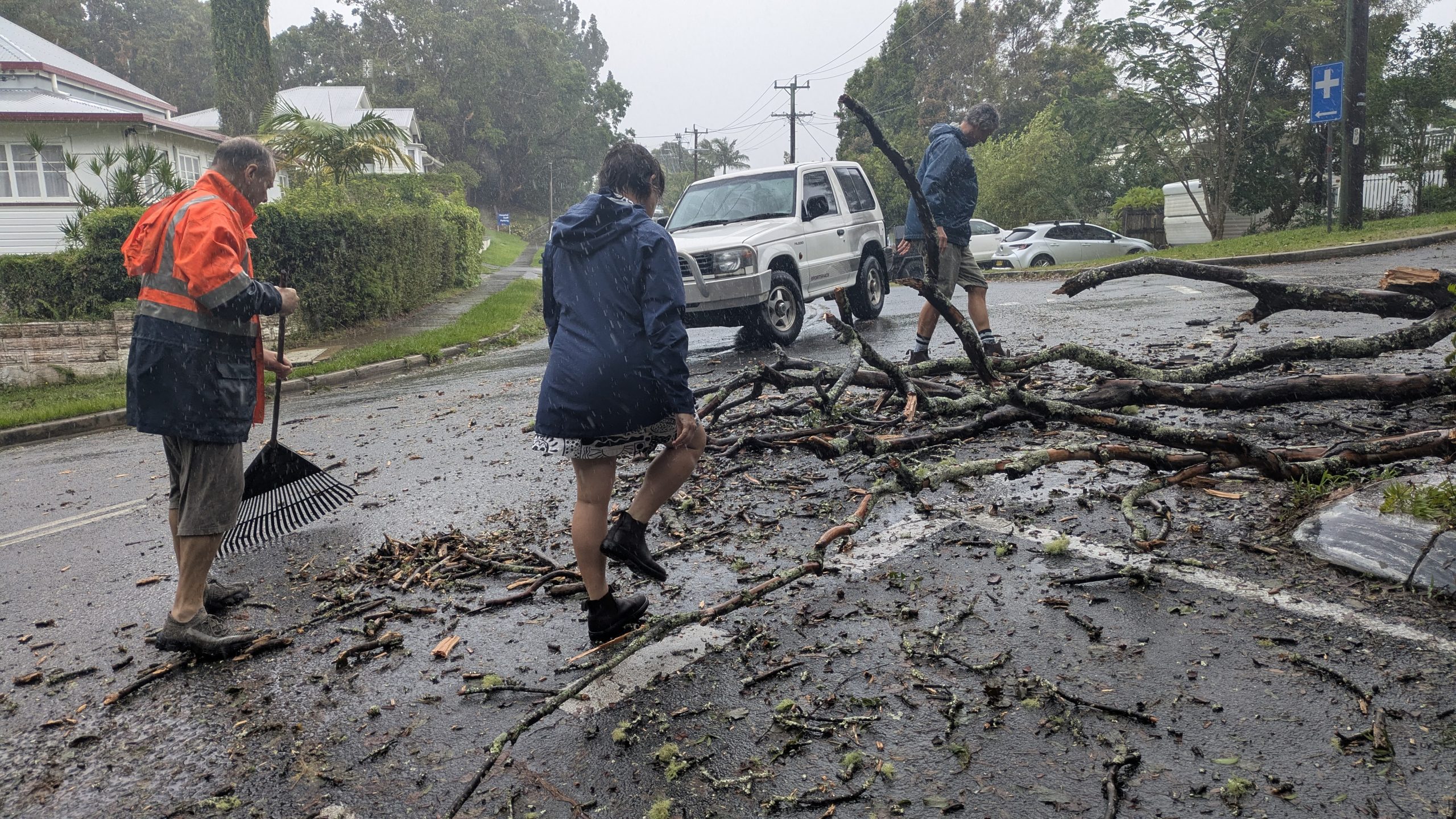
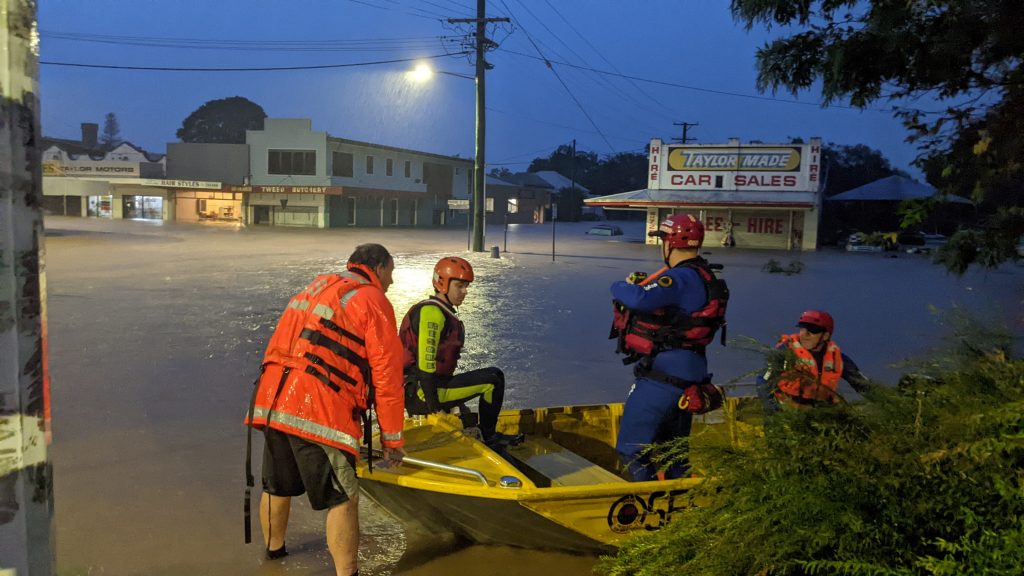
Trauma refers to life‑threatening or severe events that pose actual or threatened death, serious injury, or sexual violence, it can also be caused by natural disasters – floods, hurricanes, fires. Therapist Con Healy looks at Big-T Trauma.
By Conal Healy
“February means flooding for me”. That was the response I got from my partner when I suggested we slip away for a few days after the summer holiday season is over.
She does have a point. February (and March) here in the Northern Rivers area of New South Wales does have that reputation for weather-relate disasters.
I moved to the Tweed in 1993 and have witnessed many storms, rain bombs, flood events, ex-tropical cyclones and one cyclone.
It made me wonder, how many people have been impacted by Big-T Trauma in this part of Australia.
Big T trauma?
Big-T trauma refers to life‑threatening or severe events that pose actual or threatened death, serious injury, or sexual violence.
These events overwhelm normal coping and involve objective threat to physical integrity or survival.
Big-Trauma involves direct exposure to death, threatened death, actual or threatened serious injury, or actual or threatened sexual violence.
Events are typically sudden, intense, and life‑endangering, creating immediate fear, helplessness, or horror responses that exceed normal human experience.
Common examples
Natural disasters: Earthquakes, floods, hurricanes, fires that threaten survival or cause mass destruction.
Violence and crime: Physical or sexual assault, armed robbery, terrorism, witnessing violent death or severe injury to others.
Accidents and medical trauma: Serious car crashes, workplace injuries, life‑threatening medical events, near‑death experiences.
War and conflict: Combat exposure, civilian war trauma, refugee experiences involving threat to life.
Loss trauma: Sudden death of close family member (especially parent or child), witnessing suicide or homicide.
Types of Big T trauma
Acute trauma: Results from a single catastrophic incident like a car accident or natural disaster.
Chronic trauma: Repeated exposure to life‑threatening situations, such as ongoing abuse, domestic violence, or combat deployment.
Complex trauma: Prolonged exposure starting in childhood, often involving caregivers, creating developmental impacts beyond single‑incident PTSD.
Does any of this sound familiar?
Would it help to talk about your experiences?
