
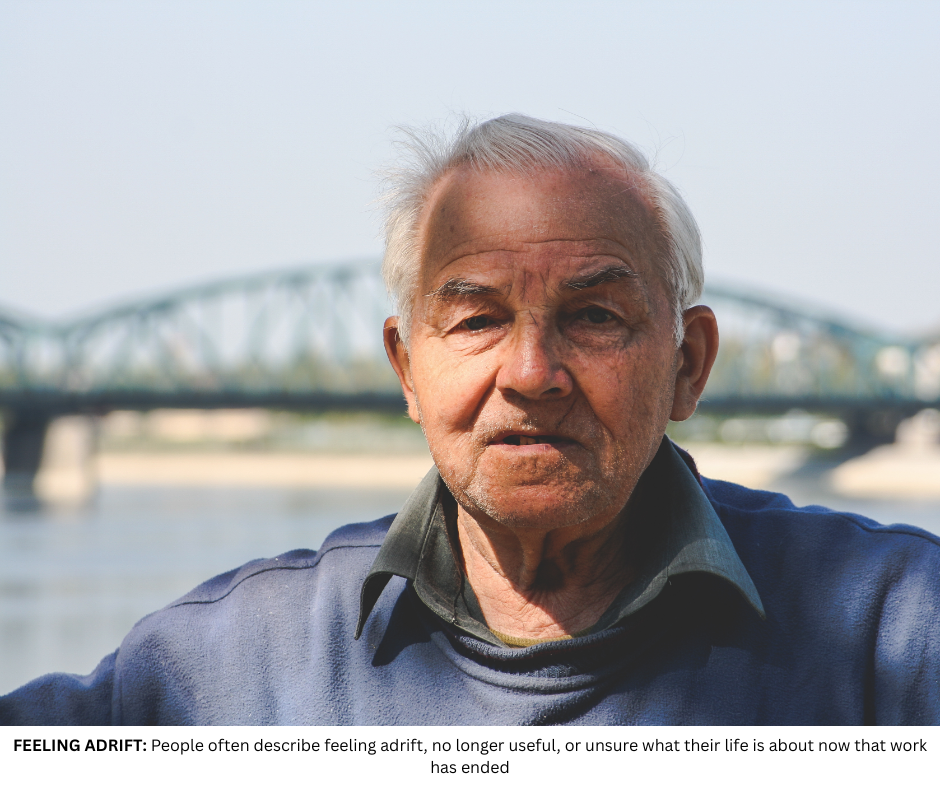
Retirement depression is a term used to describe depressive symptoms that appear or worsen after someone stops working, usually linked to the big life changes that come with retirement rather than being a distinct diagnosis on its own.
It often involves low mood, loss of purpose, and social withdrawal as a person adjusts to losing work roles, structure, income patterns, and parts of their identity.
Retirement depression is not a separate condition in diagnostic manuals; clinicians usually understand it as depression (or an adjustment-related low mood) that is triggered or unmasked by the transition into retirement.
In practice, the same core features of depression apply, but the context is the role loss, identity shift, and lifestyle disruption associated with leaving work.
People experiencing retirement-related depression often report:
Persistent low or “empty” mood, irritability, or anxiety, sometimes more than they anticipated for this life stage.
Loss of interest or pleasure, fatigue, sleep and appetite changes, concentration problems, and increased social withdrawal or loneliness.
Several factors can raise vulnerability:
Loss of routine, status, and a clear sense of purpose or usefulness when work ends.
Loneliness, reduced social contact, health problems, financial worries, or involuntary/forced retirement, all of which are associated with higher rates of depressive symptoms in retirees.
Research suggests it is relatively common for retirees to experience at least some depressive symptoms, with meta-analytic data indicating that around one-third report some level of depression after retiring, especially in the early transition.
At the same time, broader longitudinal analyses indicate that, for many, retirement can eventually have a neutral or even protective effect on depression once an adjusted lifestyle is established.
Retirement-related low mood warrants clinical attention when symptoms are persistent, cause significant distress, or interfere with daily functioning and relationships.
Evidence-based responses include psychological therapy, social reconnection and meaningful activity planning, and, when appropriate, medical review for depression and co-occurring health issues.
Mood and emotional changes
Common emotional signs include:
Persistent sadness, emptiness, or tearfulness, often with a sense of disappointment about how retirement “feels”.
Feelings of hopelessness, worthlessness, or excessive guilt, sometimes linked to no longer feeling useful or productive.
Thinking and motivation:
Retirement depression often affects how people think and engage with life:
Loss of interest or pleasure in previously enjoyed activities, hobbies, volunteering, or social contact.
Memory and concentration problems, indecisiveness, rumination about the past or worries about the future, and difficulty planning or initiating tasks.
Physical and sleep–appetite changes:
The body often reflects what is going on mentally
Tiredness or low energy most days, sometimes alongside vague physical complaints (e.g., pain, digestive upset, headaches) not fully explained by medical illness.
Changes in sleep (insomnia or sleeping much more) and appetite or weight (undereating or overeating) compared with earlier in life.
Behaviour and relationships:
Changes in behaviour and social patterns are key red flags:
Social withdrawal, doing less outside the home, reduced contact with friends or family, and more time in front of TV or online without real engagement.
Irritability, conflict or strain in close relationships, loss of interest in intimacy, and, in more severe cases, not wanting to get out of bed or neglecting self‑care.
When it is more serious
More severe retirement depression can include:
Recurrent thoughts that life is not worth living, or explicit suicidal thoughts or plans, which require urgent professional help.
Symptoms lasting most days for at least two weeks, causing clear impairment in daily functioning, which meets criteria for a depressive episode and warrants assessment and treatment by a health professional.
Are you enduring Retirement Depression? Know someone who is?
Would it help to talk to someone?
ACA-accredited therapist Con Healy, aged 65, works at Wisdom with Whiskers Counseling.
Wisdom with Whiskers Counseling
Contact : 0438 559 515.
Email: wisdomwithwhiskers@gmail.com.
