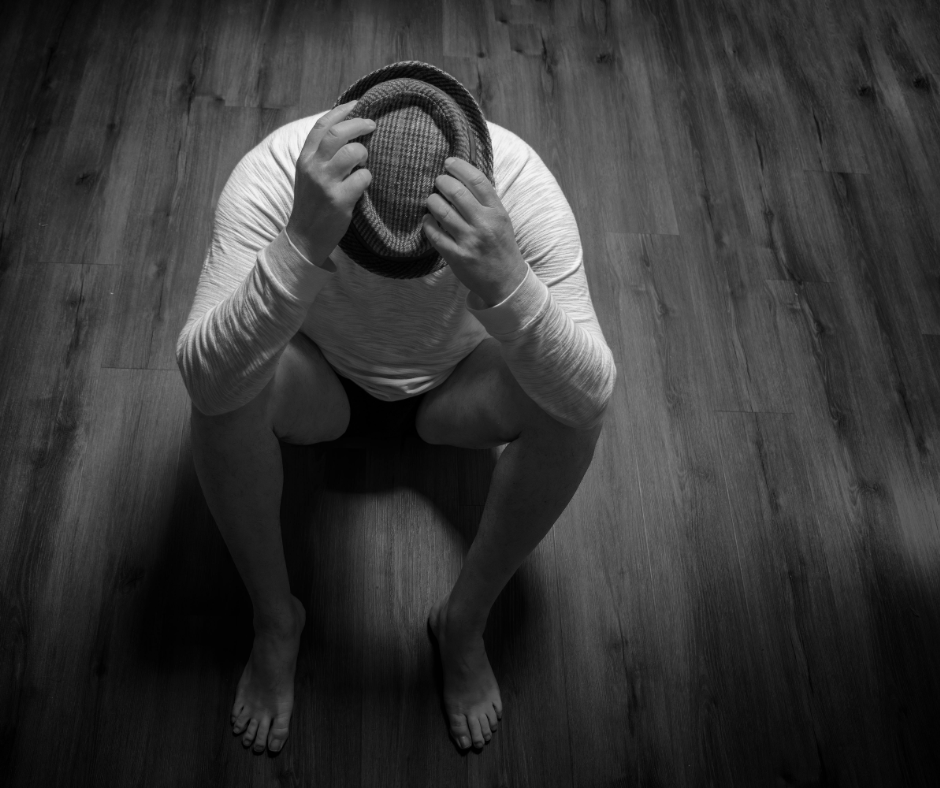
Christmas is over. It was fun. It was festive. So why do so many people feel flat? Maybe depressed? Are you wondering why? And what you can do? Here are a few suggestions.

MANY Australians feel flat or depressed after Christmas because of a “come‑down” from the build‑up, financial and emotional fallout, disrupted routines, and the sudden shift back to ordinary life.
For some, this slump is brief, but for others it can unmask or worsen underlying anxiety, depression, grief, or burnout.
The intense anticipation, social connection, and “happy hormone” boost of planning and celebrating Christmas is followed by a sharp drop once it is over, which can feel like an emotional crash.
People often pour energy into a single goal (having a “good Christmas”), and once that goal is done, there can be a sense of emptiness, lack of purpose, or “now what?” that feeds low mood.
January is when credit‑card bills arrive and the real cost of gifts, travel, and entertaining shows up, which can trigger worry, shame, or regret, especially with existing financial stress.
For many Australians, the New Year also brings pressure about work, school, or business targets, compounding financial strain and making the post‑Christmas period feel heavy rather than restorative.
During December people tend to sleep later, drink more alcohol, eat more, and exercise less; these changes in sleep, diet, and activity can directly lower mood and increase fatigue once the festivities stop.
The abrupt shift from unstructured holiday time back to alarms, commutes, and deadlines can feel jarring and amplify a sense of dread, irritability, or “January blues.”
Christmas can highlight absences: bereavement, estrangement, distance from family, or lack of partner/children, and the quiet days afterward often intensify that sense of loss or isolation.
Social media and cultural narratives about “perfect” holidays can leave people feeling they did Christmas “wrong” or that everyone else is happier and more connected, feeding self‑criticism and low mood.
In Australia, Christmas sits at the start of the long summer break, and once major gatherings are over there can be a distinct quieter period where supports close and social contact reduces, which may raise risk for depression and suicidal ideation in some people.
Service data suggest crisis helplines often see increased calls in the period just after Christmas, reflecting the combined impact of loneliness, financial concerns, and emotional exhaustion.
Younger adults report the highest levels of low mood and loneliness around the festive period in Australia, with young men often standing out as particularly vulnerable.
Older adults are also affected, but population surveys show the post‑holiday emotional load tends to peak in younger age brackets.
Young adults (roughly 16–34)
A Red Cross survey found Australians aged 18–34 were the most likely to report frequent loneliness around Christmas, with about 41% of women and 44% of men in this age group feeling lonely.
National mental health data show the highest rates of anxiety and affective disorders in the 16–24 bracket, indicating a background vulnerability that can translate into more post‑holiday low mood.
Young men
A large study of Australian males reported the highest proportion of moderate or severe depressive symptoms among men aged 18–24, with over 40% experiencing at least mild symptoms.
Common symptoms in this cohort included sleep disturbance, low energy, and appetite changes, all of which can intensify during and after the holiday period.
Other groups showing increased distress
Households with children under 18 report higher overall distress in the lead‑up to and around the festive season than the general population, largely driven by cost‑of‑living and relationship pressures.
While loneliness stereotypes often focus on retirees, surveys suggest that older adults are not the group reporting the highest festive‑season loneliness; younger adults report more frequent feelings of isolation.
How to deal with post-holiday flatness
Post‑holiday flatness is common, and it usually improves with a few weeks of gentle structure, connection, and self‑care. Focus on small, repeatable actions rather than trying to “snap out of it” in one big change.
Normalise and slow the transition: Acknowledge that feeling low after a busy, emotional season is normal and often temporary, instead of judging yourself for it.
Build in a “buffer” period before going fully back to work or study if you can: use a day or two to unpack, rest, and reset rather than going from 0 to 100 overnight.
Rebuild basic routines: Re‑establish consistent sleep, regular meals, and light movement (like walking), which are all linked to better mood and energy.
Gently reduce holiday excesses (late nights, alcohol, heavy food) and replace them with simple, sustainable habits instead of harsh resolutions.
Add mindful and reflective practices: Short daily meditation, breathing exercises, or stretching can steady your nervous system and lower stress and anxiety.
Do brief journaling: note what you enjoyed about the holidays, what you learned, and small things you feel grateful for now.
Stay connected and plan small positives: Reach out to supportive people and arrange low‑key catch‑ups, calls, or walks; regular social contact reduces loneliness and low mood.
Give yourself things to look forward to: a weekend activity, a hobby night, or a local outing, so life does not feel like “all work, no joy.”
Tidy your environment and expectations: Light decluttering (packing decorations away, clearing surfaces, dealing with leftover mess) can create a sense of control and fresh start.
Go easy on New Year expectations; break any goals into small steps and use encouraging, not critical, self‑talk.
If low mood, hopelessness, or loss of interest lasts more than a couple of weeks, or you notice thoughts of self‑harm or suicide, it is important to seek professional help or contact a crisis line in your area.
